How did you first become involved with the AEC-related part of the program?
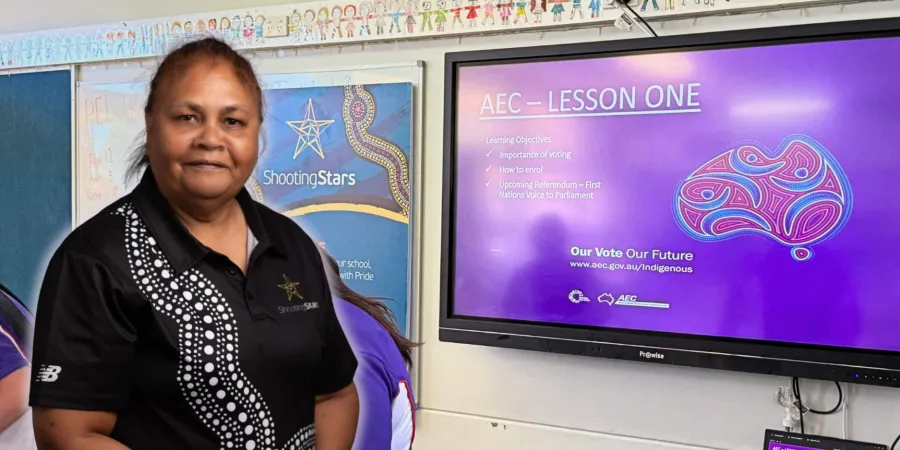
I first became involved after presenting to the Merredin Shooting Stars high school girls in 2025, with our Operations Manager, Lowana in attendance. A few weeks later, Lowana contacted me and invited me to present online to schools as part of the program. I was pleased to be involved because it gave me an opportunity to talk with young people about voting rights and civic participation.
What stood out to you about the AEC topics, materials or activities?
What stood out to me was the opportunity to add to the existing materials by ensuring a First Nations perspective and grassroot level examples were used, such as personal family stories of rights deprivation and activism. Understanding that history is important because it helps young people appreciate how hard previous generations fought for rights that many now take for granted.
Why do you think these topics are relevant or important for communities?
Communities need to understand how we got to where we are today and how the past continues to have a tremendous impact on our lives. Learning about voting rights, participation and representation helps people understand their role in shaping the future and why their voices matter.
How do you personally feel about the topics covered, such as voting, enrolment and participation?
I believe it is very important for people to understand that a single vote can have a positive impact. Voting gives people a voice and an opportunity to influence decisions that affect their communities, families and future generations.
Did your interest or confidence in delivering the program change over time?
My confidence grew as I delivered more sessions and engaged with students. The more conversations I had, the more I saw the value of discussing voting rights and participation with young people. It reinforced the importance of helping students understand how their voices can contribute to positive change.
Where have you supported delivery of the program and what was that experience like?
Most of my involvement was through online delivery. While I would have preferred to deliver the program face-to-face where possible, I still enjoyed the experience. It was rewarding to discuss voting rights with students from different communities and hear their perspectives and questions.
Are there any moments, conversations or reactions from participants that stayed with you?
One moment that stood out was when a group of girls from Laverton participated in a mock election. There were only three participants, but they each got up and presented briefly in front of us before everyone voted. It was great to see them engage with the process and gain confidence in expressing their views.
What impact do you think the program had on individuals, staff or communities?
I believe the program helped students better understand voting age requirements and the importance of voting. It encouraged them to think about their future participation in elections and the role they can play in shaping their communities.
What has this work meant to you personally?
Personally, this work has been very meaningful. I believe all our Mob, right across Australia, have the right to vote and should exercise that right so they can have a say in the future of this country. Sharing that message with young people and helping them understand the importance of participation has been something I am proud to be part of.